

BASS BRIDGE SCREWS BASED ON THE MPM PRINCIPLE
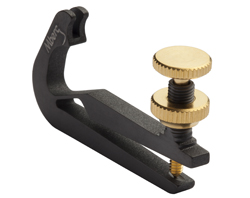
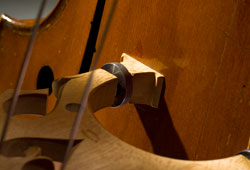
Developed in close collaboration with Austrian inventor Franz Moser, the MPM bridge mechanism allows for easy height adjustment of the bridge while simultaneously creating a flexible connection between the bridge and its feet
Fluctuations in temperature and humidity are compensated for by the flexible bridge feet. In addition, the string height can be adjusted to the musician's needs at any time.
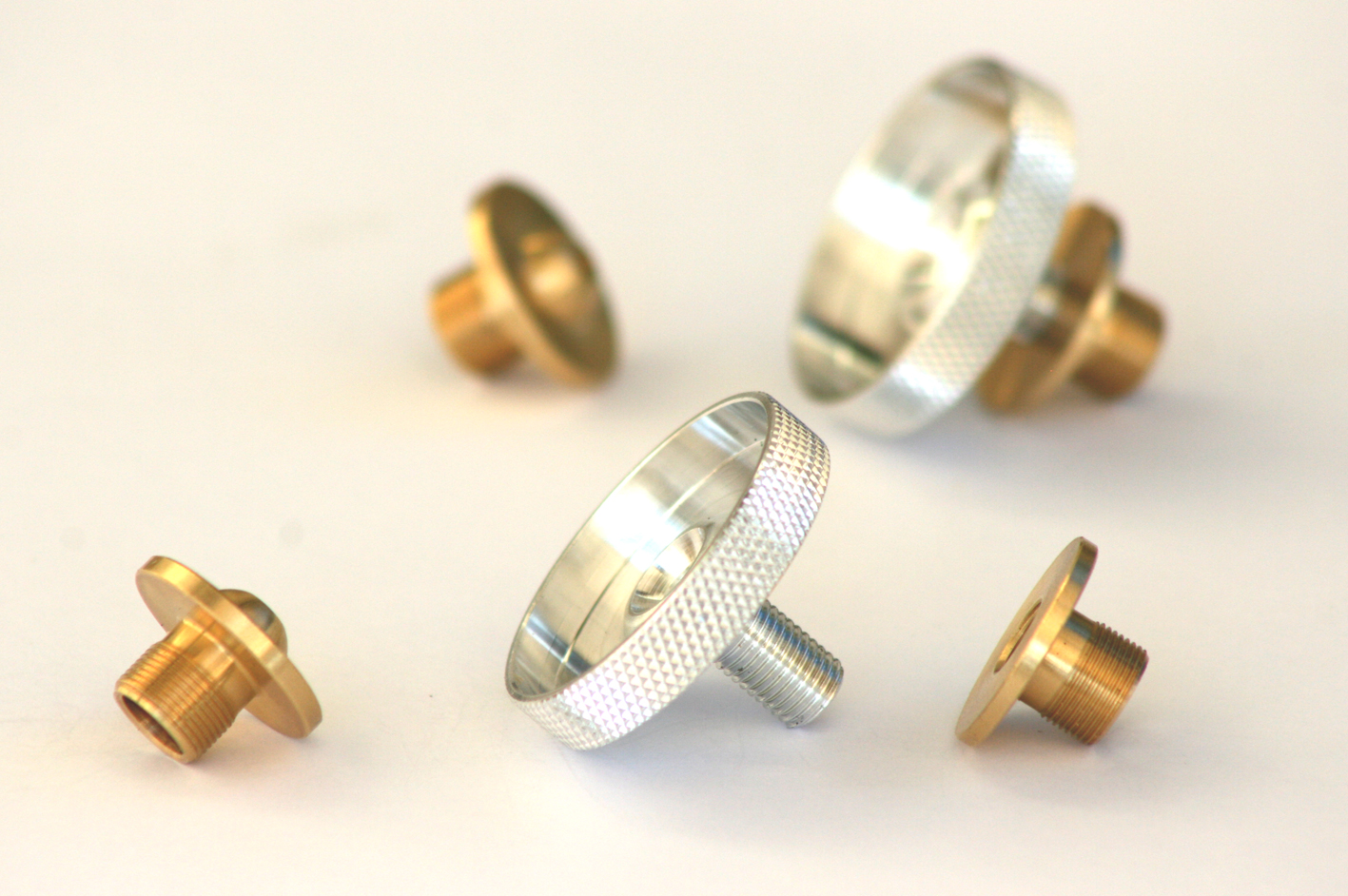
The fine-threaded adjustment screws enable a connection between the two bridge sections (bridge / bridge feet) that is virtually free of play.
SPECIFICATIONS:
material: brass-aluminum
adjustment range: 6 mm
positioning accuracy: 0.75 mm per revolution
weight: 12 g per bridge side
EASE OF PLAYING:
The string height can be adjusted independently on both sides of the bridge, without loosening the string tension. Ultra-smooth thumbwheels ensure precise and effortless operation.
SOUND
Flexible MPM bridge adjusters ensure that the bridge feet maintain a seamless, flush fit against the instrument's top - a vital prerequisite for full tonal development. Furthermore, the articulating bridge feet grant the top plate greater freedom to vibrate.
ASSEMBLING
Installation is easily possible on pre-fitted (cut) bridges. Installation information for luthiers:
Download Installation Dimensions
STATEMENTS AND TEST REPORTS ON THE MPM BRIDGE MECHANISM
“I was able to notice tonal improvements immediately after installing the bridge mechanics. Harmonics sound even better now—they also speak much easier, which shows excellent results particularly for solo playing. In addition, the height adjustment proved its worth splendidly during my last Japan tour. I could effortlessly and precisely correct the changes in string height caused by the climate change!”
Michael Bladerer,Principal Double Bassist of the Vienna State Opera and the Vienna Philharmonic
“When using the variable bridge, overall level improvements are observed across the entire sound spectrum without altering the fundamental resonance characteristics of the double bass. As a result, the instrument's sound gains greater overall volume and, above all, a more distinct contour or brilliance.”
From the test report by Dr. Klaus Wogram,Physikalisch-Technische Bundesanstalt Braunschweig (PTB)